
Cloud Insights & News
AI has changed the game for cybercriminals, and the financial sector is caught in the crossfire. Netron Information Technology is helping banks and financial institutions respond in kind, deploying an intelligent SIEM platform that makes sense of overwhelming log data, an internal AI tool called NAVI that keeps productivity gains from turning into security gaps, and a 3 to 5 year security roadmap built for the long haul. The goal: stop playing defense and start getting ahead of the threat.
Trust Is the Financial Sector Business Model, and That Makes It a Target.
In an industry built on trust, a single security breach does not stay contained. It ripples outward fast, hitting cash flow, rattling markets, and eroding customer confidence that took years to build.
And AI has only sped up the threat.
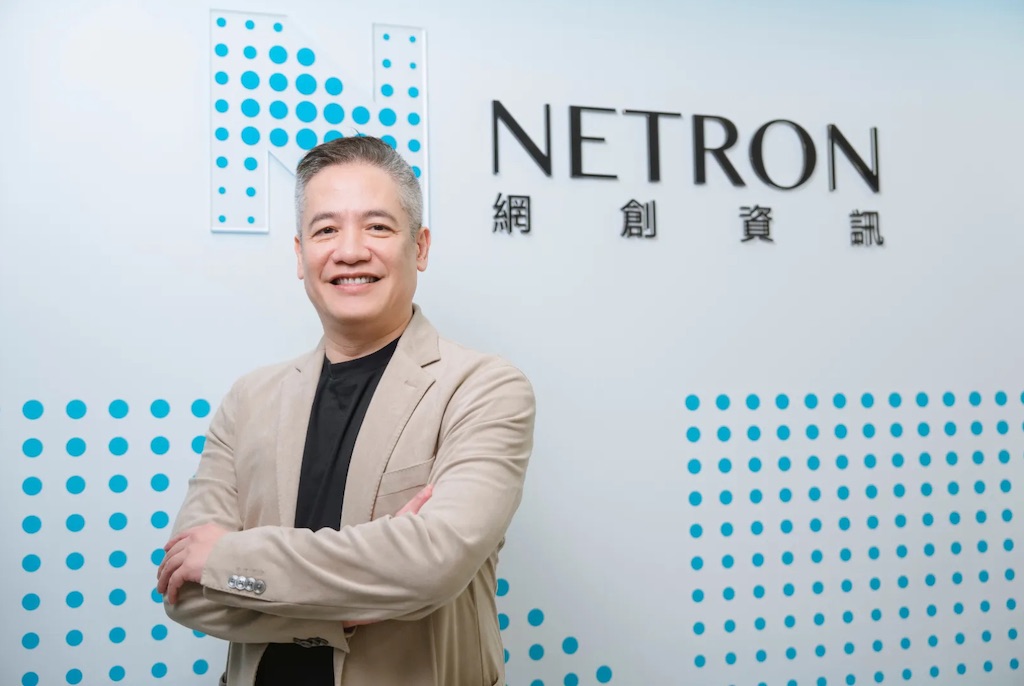
“AI did not just speed up attacks, it changed their nature entirely,” says Oliver Wu, General Manager of Netron Information Technology. Threats that once seemed far-fetched are now showing up in real time, and in far more forms than before.
Attacks Are Faster, Smarter, and Coming From More Directions Than Ever
AI has made cyberattacks both easier to scale and harder to spot. Hackers can now generate attack tools automatically, cutting out the slow, manual coding that used to limit how fast they could move. On the social engineering side, AI-cloned voices and deepfake video have made scams far more convincing.
AI has also given attackers a serious analytical edge, the ability to process massive volumes of data quickly, spot weak points in a company defenses, and launch attacks with little to no human involvement.
The risk is not just external, either. Financial institutions want to use AI to speed up their own operations, but their data is too sensitive for public tools like ChatGPT, which most have banned outright. That leaves a real tension: how do you move fast on AI without opening a new door for attackers?
Taken together, these pressures are forcing a rethink of financial-sector security, from reactive cleanup after an incident to proactively fighting AI with AI.
Turning a Flood of Log Data Into Something Actually Useful
The first hurdle to building real resilience is data chaos. Most banks still rely on legacy SIEM systems to pull together logs from across the organization, but those systems were not built for how companies operate today.
“Once a company data is spread across four or five different clouds, the old log collection tools just cannot keep up. The volume and complexity have outgrown them,” says Ying-Chen Lin, Associate Director of Security at Netron Information Technology. Legacy SIEM tools were designed around traditional hardware, so when logs start pouring in from AWS, GCP, or Kubernetes, the system often cannot even parse them correctly.
That leaves security teams stuck: they cannot fully consolidate their data, and even when they can, they cannot make sense of it, let alone tell in time whether they are under attack.
Netron Information Technology answer is an AI-powered SIEM/SOAR platform built for multi-cloud environments. By combining SIEM and SOAR with leading threat intelligence and machine learning, and layering in generative AI for analysis, the platform has cut average investigation time by roughly 65%. Security teams stop drowning in alerts and can actually focus on the threats that matter.

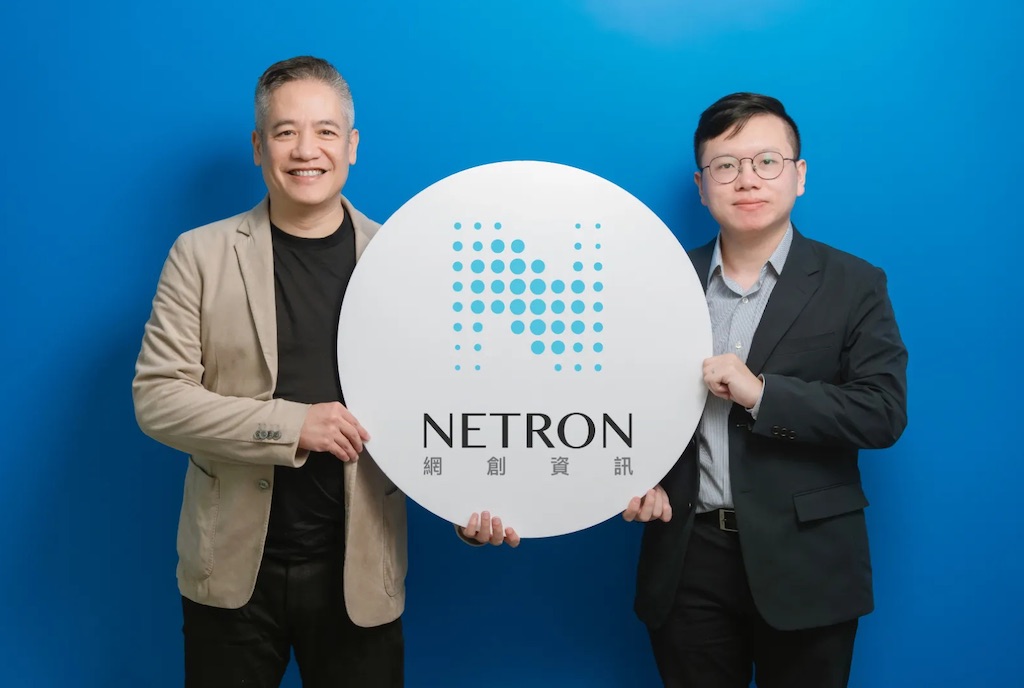
Ying-Chen Lin (right), Associate Director of Security at Netron Information Technology, says the AI-powered SIEM platform consolidates logs across cloud environments, cutting investigation time and helping banks stay ahead of alert overload.
Turning a Flood of Log Data Into Something Actually Useful
Solving external threats is only half the job. Netron Information Technology also built NAVI, a private, internal AI assistant, to solve a problem financial companies keep running into: employees want to use AI, but cannot risk sending sensitive data outside the company.
“Think of NAVI as an internal version of ChatGPT,” Oliver explains. “It can dig through an Excel report for you, and none of that data ever leaves the building.”
What sets NAVI apart, Lin adds, is its strict access controls. It filters every prompt before responding, so it will not, for example, tell one employee what a colleague in another department earns, or surface HR or legal records to someone who is not authorized to see them.
Fighting AI With AI Is Just the Start. The Real Work Is the Long Game
Technology alone will not get financial institutions there. Culture and process matter just as much.
Wu has noticed that banks tend to think in longer horizons when it comes to security, so Netron Information Technology does not just sell a product, it acts as an advisor, helping clients map out a 3 to 5 year plan for getting there.
That often means rethinking workflows that used to run on manual checklists and shifting to something more automated and proactive. Netron Information Technology role is to help clients figure out how to restructure both the process and the underlying architecture to get there.
A phased rollout tends to work best, Oliver says, since it eases the cultural adjustment and gives teams room to work through regulatory and technical constraints along the way. A bank might start by testing AI-driven log analysis on its credit card operations first, proving out whether the new system actually cuts response time and false alarms, before rolling it out more broadly.
For Netron Information Technology, the goal is to reframe security, not as a cost center, but as the foundation of trust and long-term competitiveness. In the age of AI, that means banks stop playing catch-up and start going on offense, cutting real operational risk and earning the kind of customer trust that lasts the next decade.